Commercial cleaning and food hygiene professionals in Brampton support restaurants, food centers, bakeries, warehouses, and food service operations maintaining standards. They decontaminate high-contact points, food preparation surfaces, equipment, floors, drains, restrooms, and food handling spaces using certified products, maintaining proper ratios, and documenting contact times. You need scheduled cleaning determined by hazard level, food throughput, allergens, and inspections, along with documented proof backing Hazard Analysis Critical Control Points, audits, and regulatory adherence. The sections below explains how effective cleaning systems should include.
Key Takeaways
- Brampton's food safety cleaning technicians maintain restaurants, grocery departments, commissaries, warehouses, bakeries, schools, mobile vendors, and allergen-sensitive operations.
- Cross-contamination reduction is maintained by disinfecting high-touch surfaces, food-contact equipment, kitchens, floors, drains, restrooms, and storage areas with zone-based workflows.
- Logging of conclusion through checks, audits, and corrective-action records ensures qualified contractors have confirmed approved sanitizer dilution, appropriateness, and contact time.
- Cleaning schedules must respect threat, production volume, format changes, spills, and guidelines, with daily, regular, and periodic operations distributed by area.
- Protection, coded instruments, hazard analysis knowledge, health regulatory competency, safety training preparation, endorsements, and compliance-ready hygiene documentation are critical vendor characteristics.
What Brampton Venues Require Food Safety Cleaning?
Brampton establishments that deal with, maintain, prepare, package, or provide food require food safety cleaning. Implement it if your establishment is subject to health department oversight, food standards, or HACCP systems. The requirement covers restaurants, cafeterias, commissaries, grocery food departments, butcher shops, seafood counters, convenience stores, and institutional kitchens.
You'll furthermore need documented food sanitation in distribution warehouses, production plants, frozen storage areas, commercial bakeries, educational meal programs, banquet venues, and food delivery services. Seasonal and mobile ventures apply too, examples being catering trucks, festival vendors, and pop-up food booths. Should your employees work with ingredients, section ready-to-serve foods, heat meals, or keep allergens stored, your location requires documented cleaning protocols. In Brampton, sanitation remains compulsory; it comprises regulatory, business, and safety adherence.
What Services Do Brampton Cleaning Experts Provide?
Professional cleaning teams specializing in Brampton sanitize touched surfaces, food preparation areas, ground surfaces, and sanitary facilities to satisfy food safety standards and health requirements. Emphasis on these spaces stems from extreme cross-contamination risk, potential for accidents, and possible regulatory violations.
Understanding their cleaning procedures allows you to confirm your operation's sanitation satisfies operational demands and regulatory compliance.
Prioritizing High-Touch Surface Sanitizing
establish how periodically each zone is sterilized
rotating cleaning materials frequently, following directional systems, and segregating sanitization equipment by section. These measures keep your sanitation program quantifiable, well-documented, and inspection-ready always.
Kitchens, Floors, and Restrooms
Professional cleaners in Brampton prioritize kitchens, floors, and restrooms given that each location involves distinct food safety, falling hazards, and public health requirements. In industrial kitchens, you need degreasing on cook lines, equipment exteriors, drains, prep surfaces, and splash zones to minimize bacterial growth and pest activity.
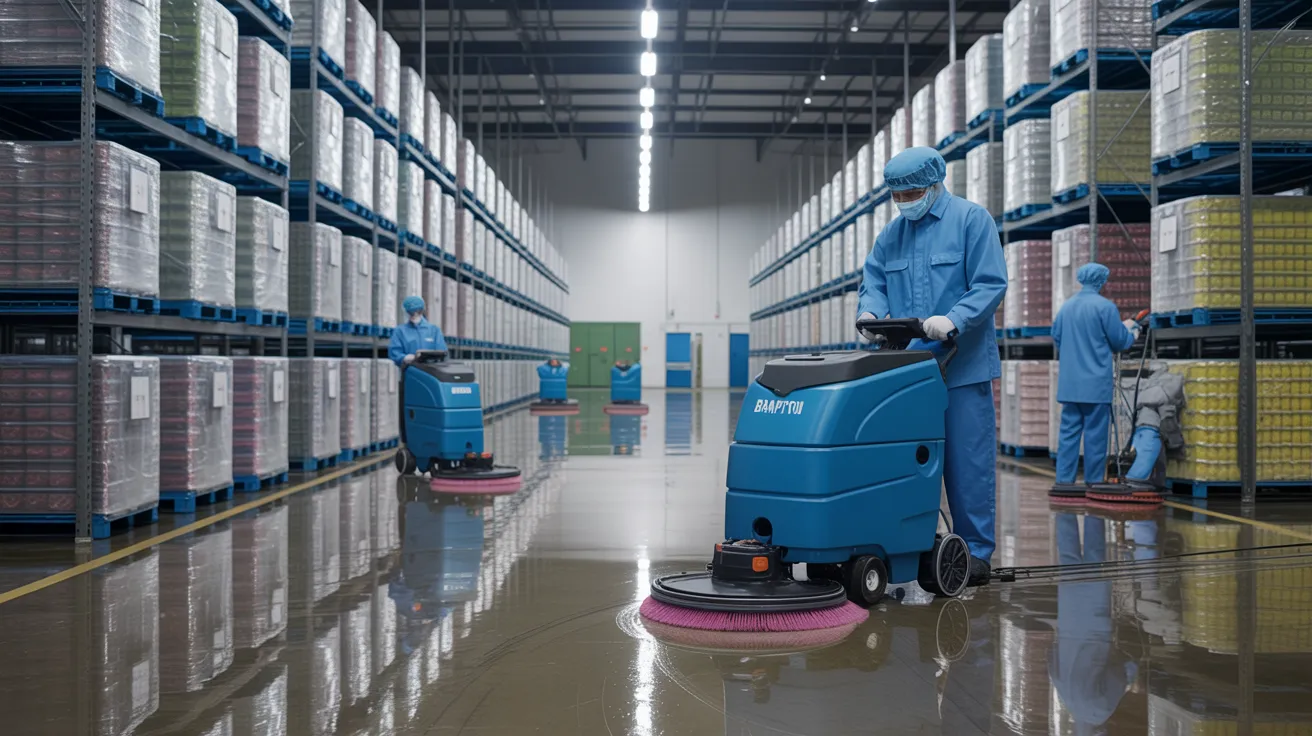
Floor care that is documented should also be anticipated. Technicians clean and remove buildup from grout, tile, and vinyl flooring, then apply correct drying techniques so you can reduce slip incidents and maintain code-compliant conditions. They also handle entryways where moisture and debris migrate indoors.
Restroom cleaning involves disinfecting touchpoints, fixtures, partitions, dispensers, and waste containers, replenishing amenities and managing odor. They also service restaurant moprooms, where chemical storage, sink hygiene, and drainage conditions can affect sanitation compliance and staff safety daily.
Why Food Safety Cleaning Matters in Brampton
Brampton facilities require food-safe cleaning standards to meet health code requirements and pass audits. You also minimize cross-contamination by cleaning and sanitizing food-contact surfaces, equipment, and high-touch areas correctly. Most importantly, you safeguard public health by lowering the risk of foodborne illness in your facility.
Regulatory Code Requirements
Food establishments in Brampton face mandatory safety protocols, making food safety cleaning critical to adhering to health code requirements, safeguarding patrons, and sidestepping enforcement action. You must maintain hygienic food handling zones, written maintenance records, appropriate product handling, and auditable operational standards that align with municipal and provincial inspection expectations.
Should your cleaning standards slip, you expose yourself to citations, compliance orders, public perception issues, and possible interruption to service during additional reviews or enforcement actions.
Cross-Contamination Prevention
Following health code standards depends on your ability to prevent cross-contamination in routine food work and sanitation. You must separate raw ingredients from ready-to-eat foods, sanitize prep surfaces between tasks, and maintain separation of cleaning products from food. Well-defined guidelines decrease contamination chances and support get started consistent compliance during inspections.
You should implement allergen segregation to keep priority allergens from contacting common work areas, storage bins, or tools. Use dedicated cutting boards, color-coded tools, and strict utensil labeling so employees avoid combining products during preparation or service. Mandate washing hands following uncooked proteins, shellfish, egg items, or allergen products. Change cleaning rags frequently, and verify sanitizer strength with test strips. When you train staff to follow these controls every shift, you create a cleaner, safer operation that meets Brampton's food safety expectations consistently.
Community Health Safety
When sanitation efforts weaken, you don't only face inspection setbacks—you expand the chance of foodborne illness striking customers, staff, and the larger Brampton community. You also weaken your role in protecting public health, especially in busy food facilities where contamination can spread quickly through surfaces, equipment, and touchpoints.
You need cleaning protocols that remove contaminants, disinfect appropriately, and validate outcomes. This involves maintaining contact periods, selecting approved disinfectants, documenting procedures, and coaching employees to meet regulatory requirements. These controls promote illness spread by minimizing pathogens before contaminating food or hands. Throughout Brampton, effective sanitation safeguards susceptible populations, reduces outbreak risk, and proves accountability. When you follow proper protocols, you exceed regulations—you lower hazards and facilitate secure food handling throughout the area.
How Can Cleaning Practices Ensure Food Safety Compliance?
Maintaining strict sanitation practices ensures food safety compliance by decreasing contamination threats, limiting pathogen development, and keeping your facility meeting sanitation requirements under HACCP-based programs and public health regulations. You validate that contact surfaces are visibly clean and microbiologically controlled, facilitating documented preventive controls and inspection readiness.
Effective cleaning also reinforces allergen mitigation by clearing residues that can provoke undeclared allergen exposure. by removing residues that can cause undeclared allergen exposure.
What's the Right Time to Plan Commercial Cleaning?
Elevate cleaning pace during peak production, production changeovers, spillage occurrences, and following maintenance work.
facility shutdowns, weather-related soil accumulation, or pest-control management times
How Do You Choose Brampton Cleaning Experts?
Start by screening providers against food-safe sanitation requirements, not cost only. You should verify that each company understands CFIA, public health, and HACCP-aligned expectations relevant to your facility. Ask for insurance documentation, WHMIS compliance, documented staff training, and supervision practices. Review whether technicians understand cross-contamination risks, chemical handling, and traceable sanitation records.
You should further examine service consistency and answerability. Request testimonials from Brampton food businesses, then review response times, corrective-action procedures, and communication standards. Validate the company supports supplier audits and can present inspection-ready documentation to regulators or external parties. Confirm equipment receives maintenance, colour-coded tools are used appropriately, and site-specific hazards are recognized. A experienced service ensures regulatory compliance, product integrity, and your brand reputation.
What does a cleaning and sanitation plan encompass?
Create a written plan that clearly outlines every sanitation task, standard, and responsibility prior to beginning production. You should list cleaning frequencies, approved chemicals, dilution rates, contact times, tools, and verification methods for each zone, surface, and piece of equipment. Don't forget to add pre-operational inspections, corrective actions, and employee training requirements.
Your plan should also address contamination prevention, garbage management, pest control procedures, and recorded timelines for bathrooms, drainage systems, surfaces, and food-preparation zones. Detail how you'll separate raw and ready-to-eat processes, support ingredient tracking, and maintain accurate allergen labeling through validated cleaning between product changes. You should assign accountability, keep signed records, and review results against regulatory standards, HACCP controls, and customer requirements. When gaps appear, update procedures immediately and re-educate staff.
Commonly Requested Inquiries
Can cleaning services support nighttime operations in Brampton facilities?
Yes, you can book sanitation coverage to support overnight shifts in Brampton facilities. You'll coordinate nighttime cleaning around production schedules, security protocols, and staffing levels. Providers generally create nighttime procedures to reduce interruption, stay compliant, and record finished tasks. You should verify response times, supervision, lockout protocols, and waste management before starting service.
Are hazard containment solutions provided from sanitation professionals?
Yes, you can discover many Brampton sanitation experts providing spill response services. They manage contamination, assess dangers, isolate contamination, and initiate rapid cleanup to reduce risk and avoid operational impact. You should verify response rates, certifications, PPE measures, and waste procedures. If your facility must meet compliance standards, select a service that tracks incidents, follows procedures, and ensures audit compliance.
Will plant-based disinfectants clean safely food-contact surfaces?
Yes, natural disinfectants can be safe for food preparation areas if you opt for items marked food-safe and regulatory compliant. You should validate application timing, concentration levels, and rinse procedures before deployment. Many botanical formulations minimize chemical hazards, but you require confirmation of performance against specific pathogens. To ensure residue-free conditions, you should adhere to manufacturer instructions exactly and confirm the sanitizer meets food sanitation requirements.
Can cleaning plans adapt with seasonal production changes?
Absolutely, maintenance plans are customizable for seasonal variations. Adapt timing, staff levels, sanitizers, and validation steps to match seasonal workflows while preserving compliance standards. Reduce production interruptions through scheduling cleaning amid production shifts, peak seasons, and usage cycles. Also revise SSOPs, staff education, and environmental testing to address temporary risks, additional allergens, or increased soiling. Periodic assessments ensure your strategy efficient.
Do commercial cleaning providers coach staff members in sanitation best practices?
Certainly, commercial cleaners train your employees on hygiene protocols. You secure staff training on correct chemical practices, processing times, cross-contamination prevention, equipment disassembly, and documentation procedures. They generally coordinate instruction with HACCP, GMP, and CFIA or regional health bodies standards. Many also run sanitation audits to check standards, uncover shortcomings, and reinforce corrective actions. This helps you copyright standard processes, satisfy audits, and minimize foodborne pathogen risks daily.
Closing Remarks
Through working with Brampton food safety and commercial cleaning specialists, you accomplish much beyond organizing—you ensure your facility for inspections and your procedures stay aligned with regulations. From production floors to kitchens, all maintained surfaces and kept corners reduce contamination risks and prevent significant costs. Through booking service at proper intervals and sticking to a solid cleaning plan, you ensure protection for your team, clients, and your standing. Within strict regulatory frameworks, clean conditions must be a priority—they are fundamental to success.